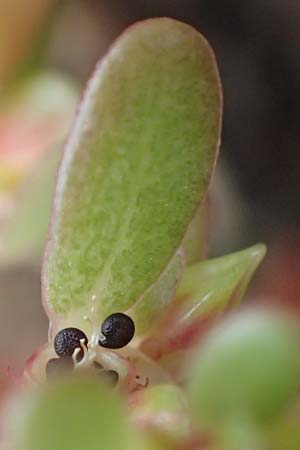
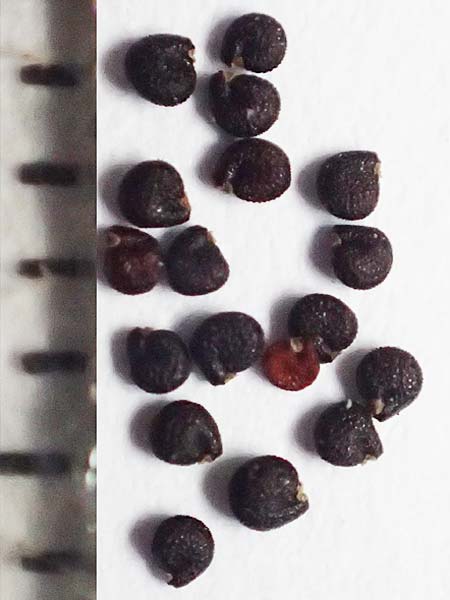
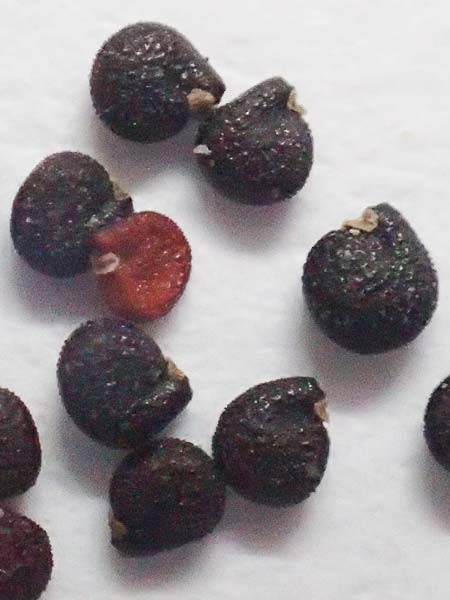
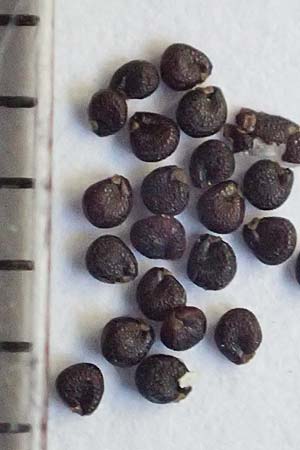
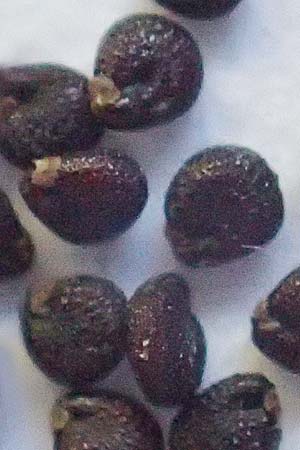
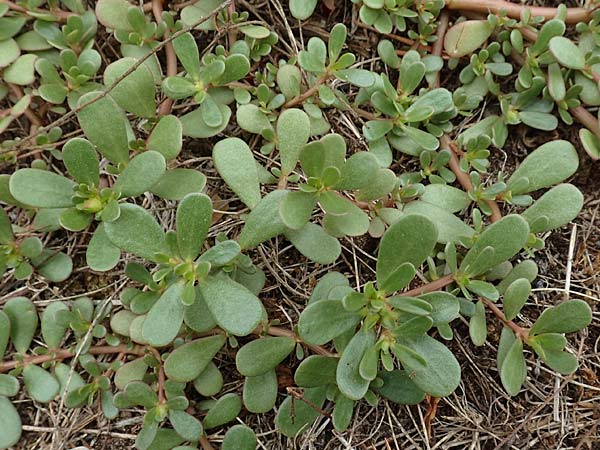
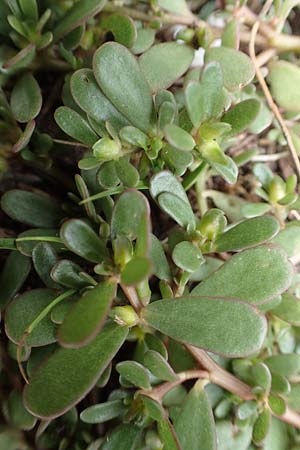
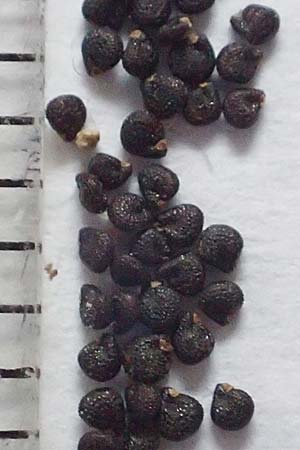
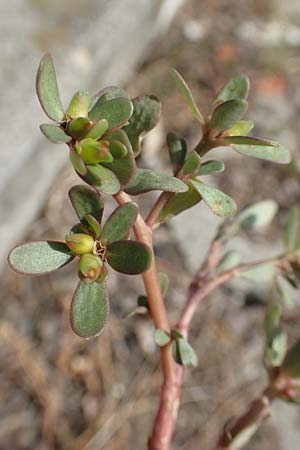
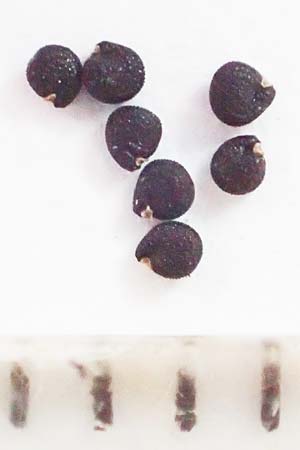
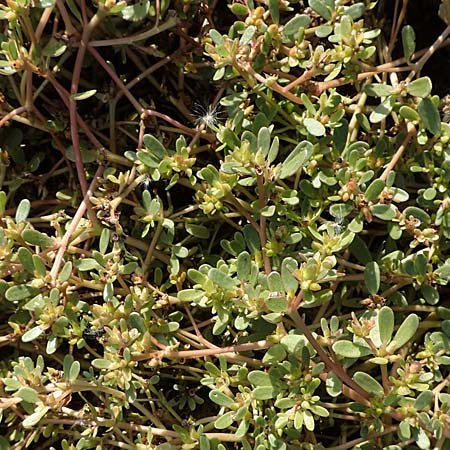
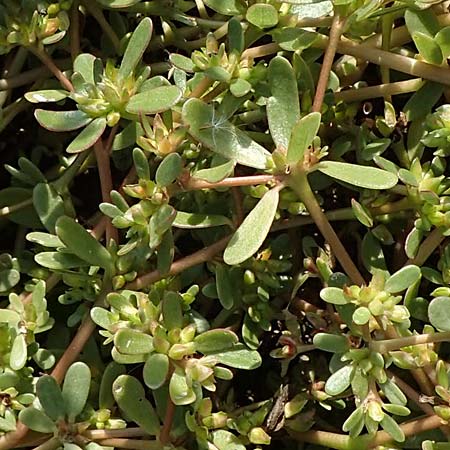
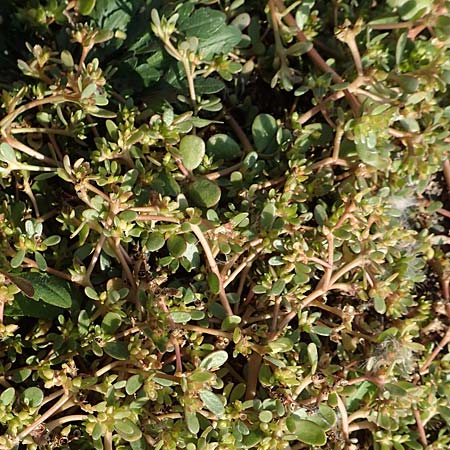
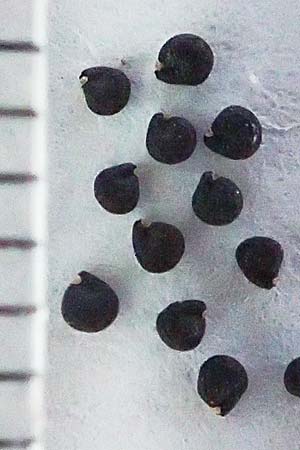
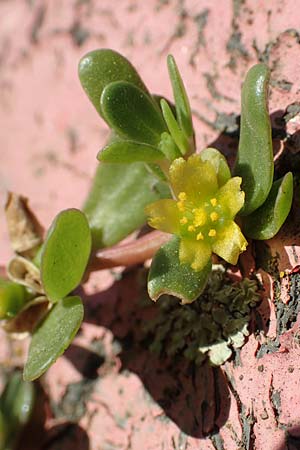
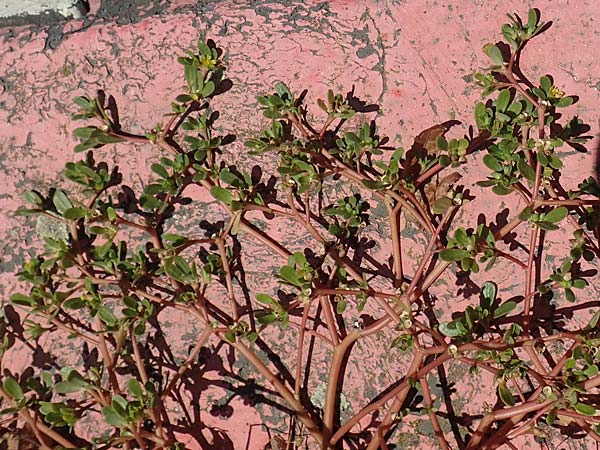
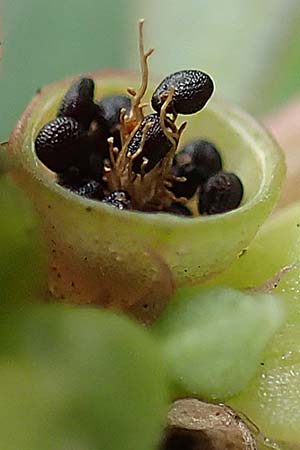
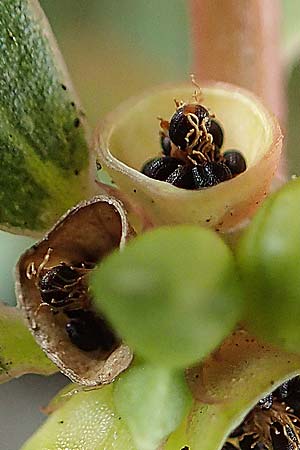
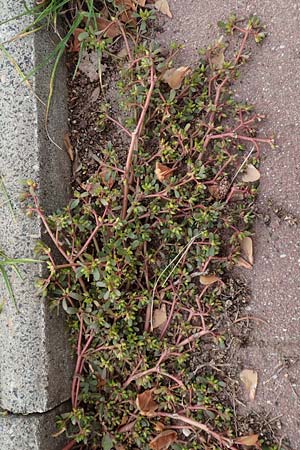
Der Botanik-Professor Avinoam Danin aus Israel hat dort 1979 sechs verschiedene Arten aus dem
Portulaca oleracea-Aggregat nach ihren Samen unterschieden und beschrieben.
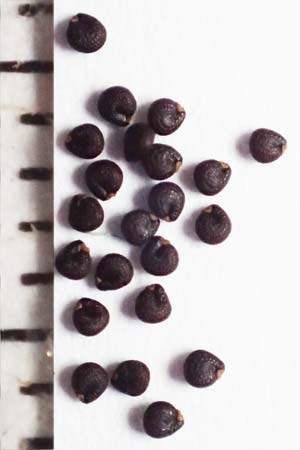
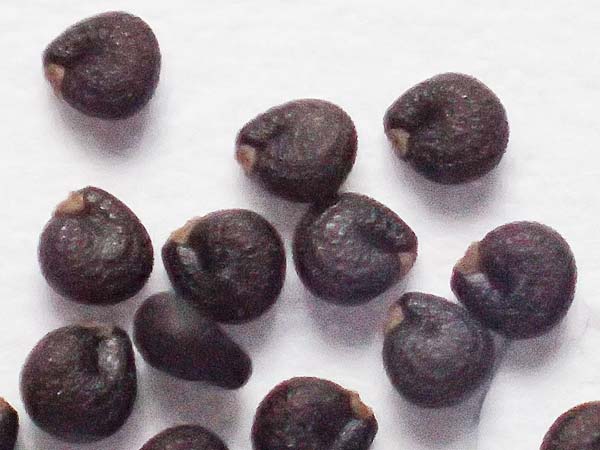
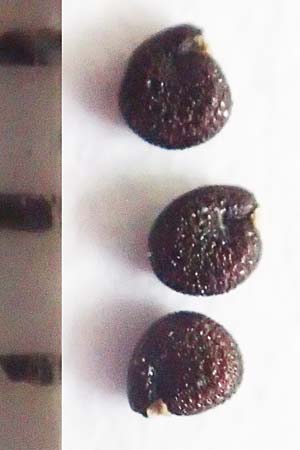
Sie besitzen verschiedene Oberflächenstrukturen, sodass Arten nach diesen Oberfächenstrukturen unterschieden werden können.
Fünf, zum Teil andere, Arten wurden auch in Deutschland gefunden.
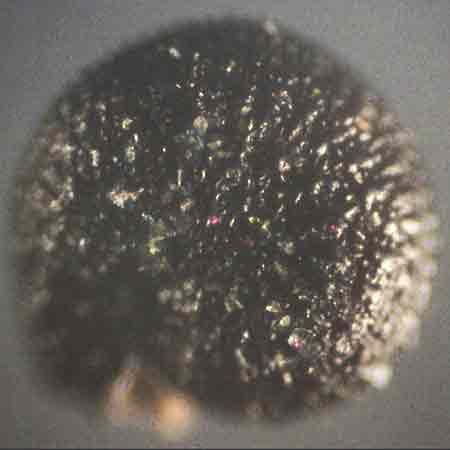
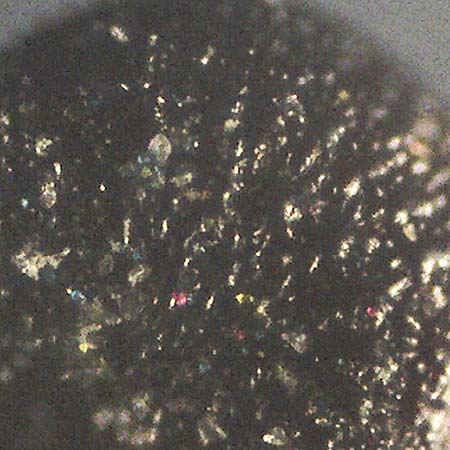
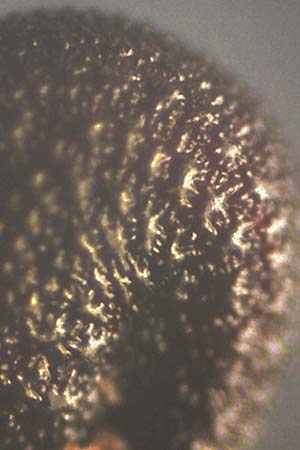
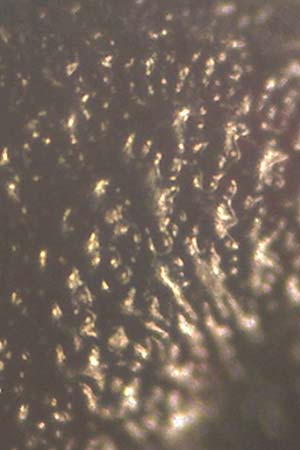
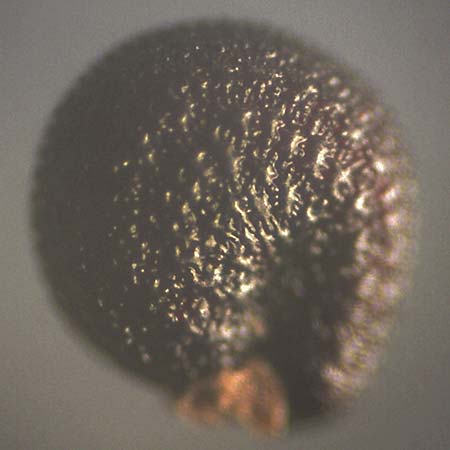
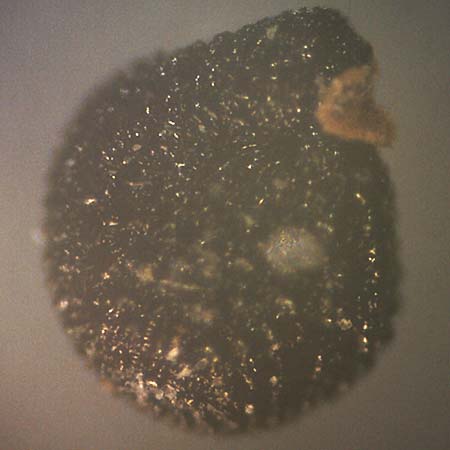
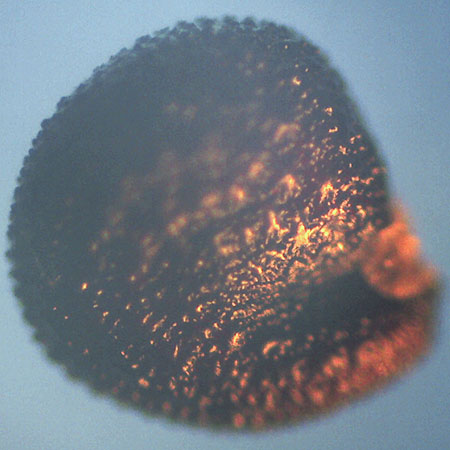
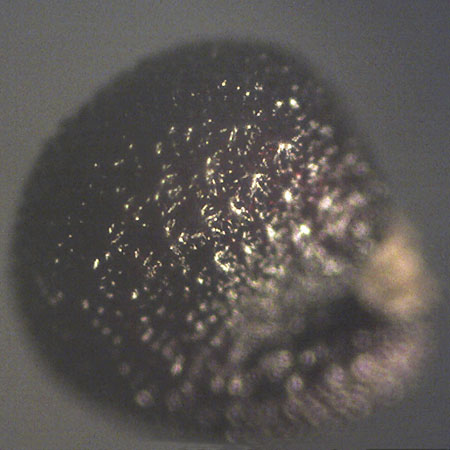
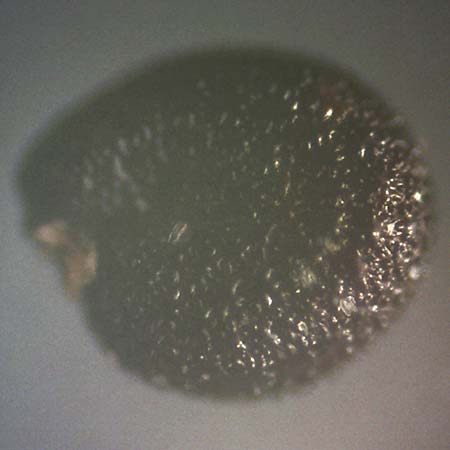
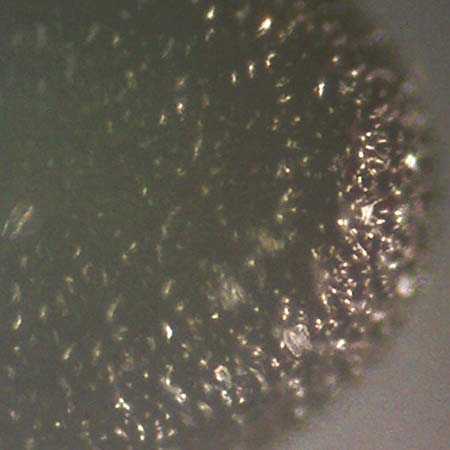
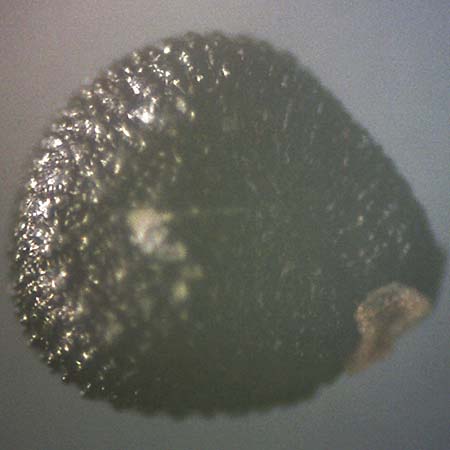
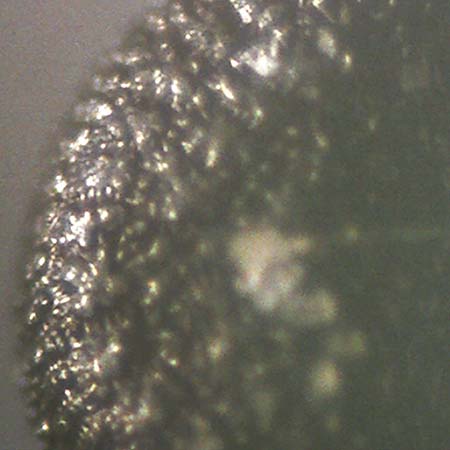
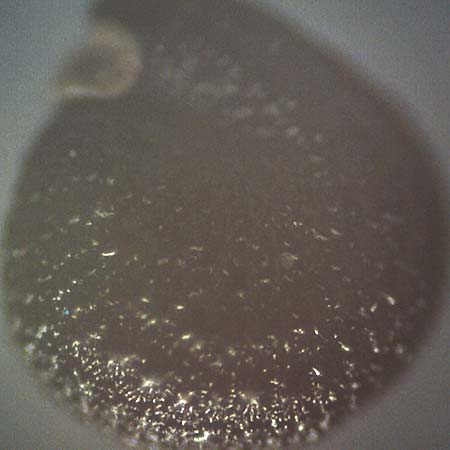
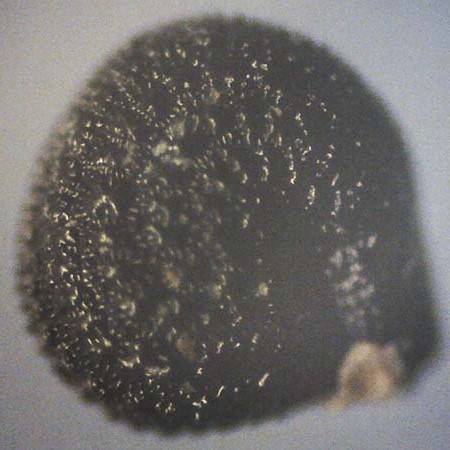
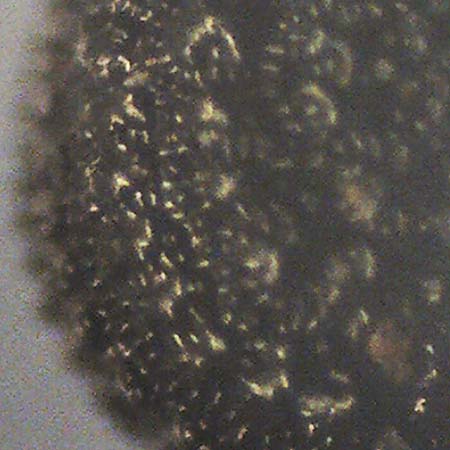
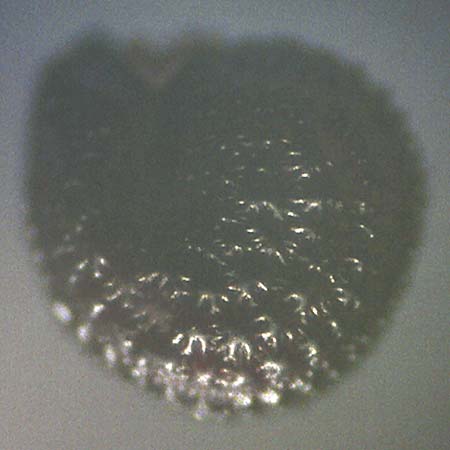
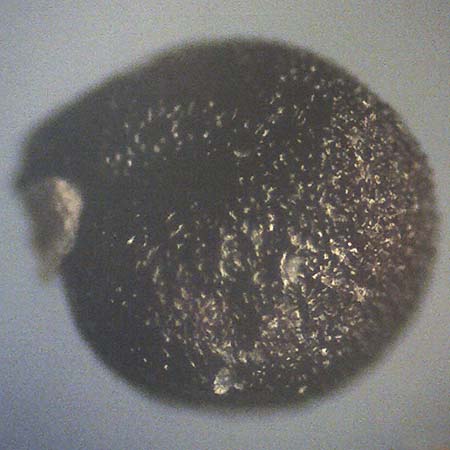
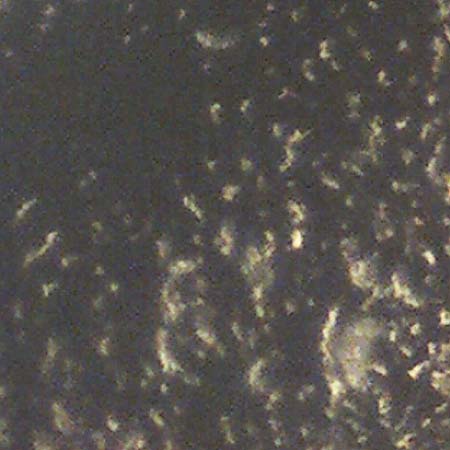
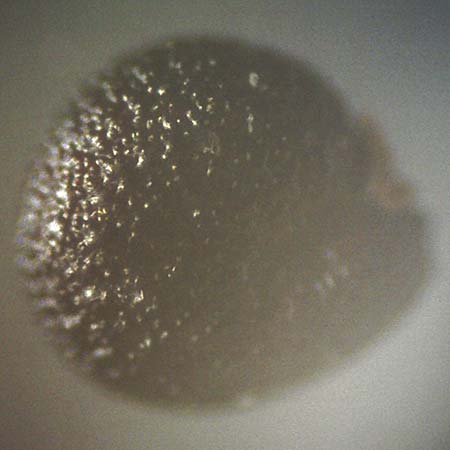
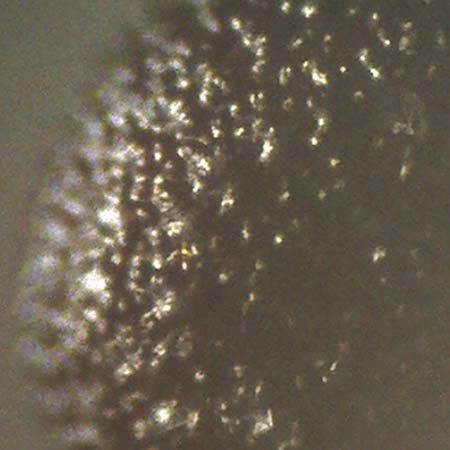
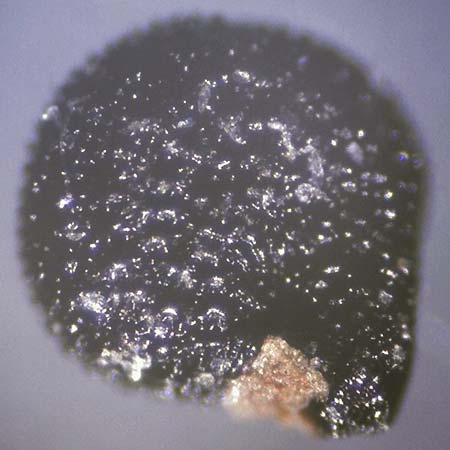
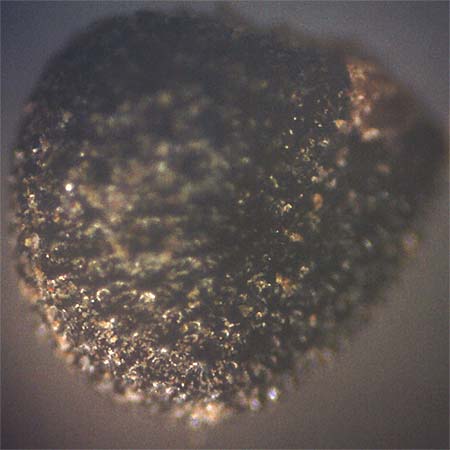
Bei Portulaca papillatostellulata besteht die Oberflächenstruktur aus kleinen flachen Sternen mit relativ langen und spitzen Armen,
wobei sich auf den Armen erhabene Papillen befinden. Diese Art ist in Mitteleuropa die mit Abstand weitest-verbreitete.
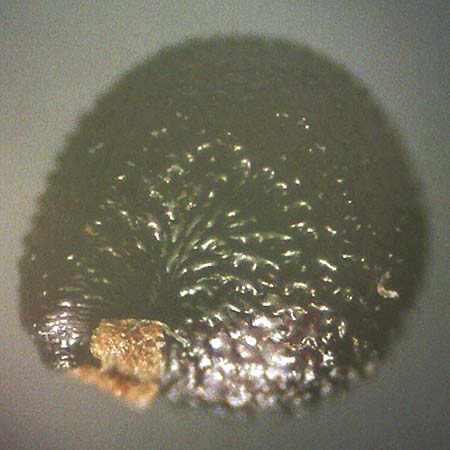
Andere Arten besitzen keine erhabenen Papillen auf den Armen, oder zusätzlich relativ große erhabene Tuberkel auf den flächigen Mittelteilen.
F. W. Bomble aus Aachen hat 2013 in seinem Aufsatz Funde von Portulaca granulatostellulata, P. nitida und P. papillatostellulata in Nordrhein-Westfalen dargestellt,
dabei aber übersehen, dass zwei dieser Arten von Danin als tetraploid gemeldet wurden, in Mitteleuropa zumindest bis 2023 aber noch keine tetraploiden Portulaca gefunden wurden,
sondern nur annähernd hexaploide, sodass von den von Bomble identifizierten Arten P. granulatostellulata und P. nitida in Deutschland nicht vorhanden sein sollten.
Darüber hinaus wurde Danins Originalmaterial nachträglich ebenfalls als annähernd hexaploid diagnostiziert, sodass heute ernste Zweifel bestehen, ob diese zwei Arten überhaupt existieren.
Der ab 2023 maßgebliche Artikel zu den in Deutschland vorkommenden Portulaca ist
Morphologisch unterscheidbare Sippen von Portulaca oleracea s.l. - bestimmt anhand von Lackabdrücken der Samen
von Hans Reichert aus Saarbrücken. Abdrücke der Samen in Nagellack und deren mikroskopische Betrachtung im Durchlicht müssen nicht unbedingt sein,
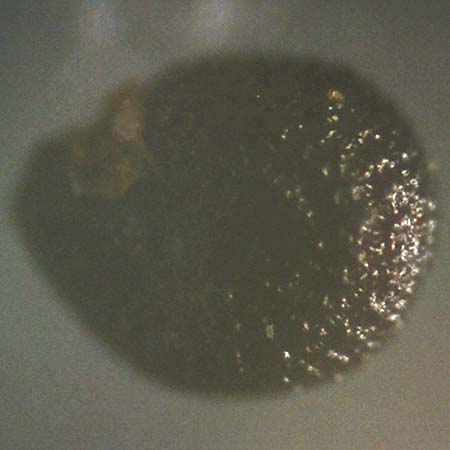
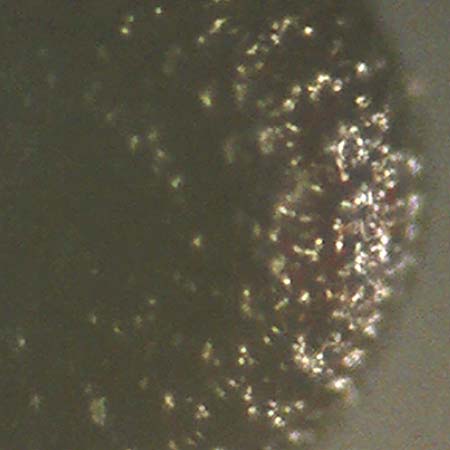
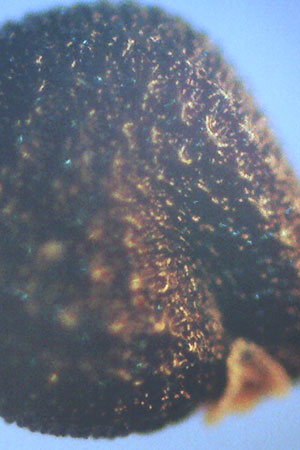
die Identifikation der Arten kann auch durch Auflicht-Mikroskopie der Samen gelingen, (wobei mein Gerät aber zur alleruntersten Kategorie gehört, und eher ein Spielzeug ist).
Noch etwas aktueller ist das Portulaca-Kapitel in 'Flora Germanica, Band 3 Kritische Gattungen' Seiten 754-752 (2024).
Auch die Internetseite Flora Germanica zeigt das aktuelle Arteninventar.
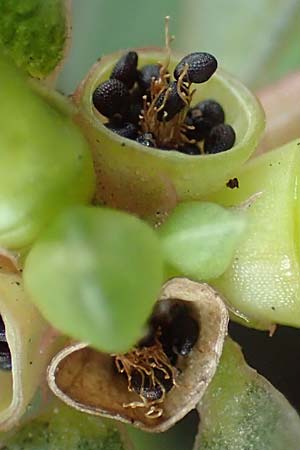
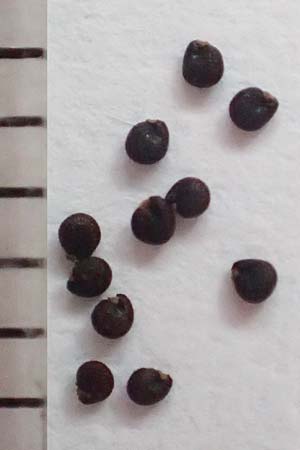
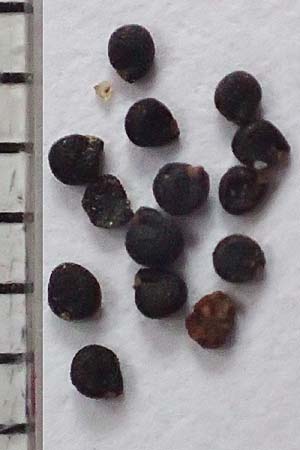
Der Durchmesser der Samen der in Deutschland vorkommenden Wildarten variiert zwischen etwa 0,6 und 1 mm, und ist nicht zur Artbestimmung geeignet.
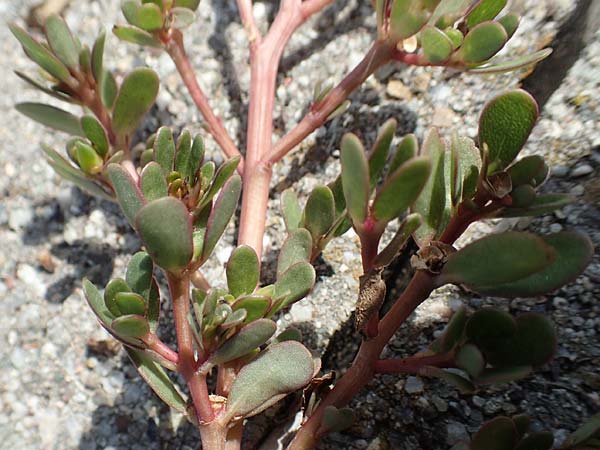
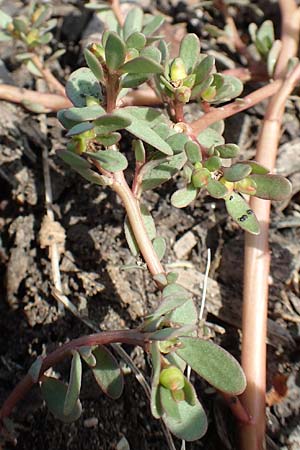
Die anderen Arten, die ich bereits gesehen habe, sind Portulaca oleracea s.str. (Synonym: P. stellata)
und Portulaca trituberculata, die beide deutlich seltener sind.
In 1979, botany professor Avinoam Danin from Israel distinguished and described six different species from the Portulaca oleracea aggregate there, based on their seeds.
The seed have different surface structures, allowing species to be distinguished by these.
Five, partly different, species have also been found in Germany.
In Portulaca papillatostellulata, the surface structure consists of small, flat stars with relatively long and pointed arms,
with raised papillae on the arms. This species is by far the most widespread in Central Europe.
Other species lack raised papillae on the arms, or additionally possess relatively large raised tubercles on the flat central parts.
In 2013, F. W. Bomble from Aachen presented
Funde von Portulaca granulatostellulata, P. nitida und P. papillatostellulata in Nordrhein-Westfalen,
('Findings of ... in North Rhine-Westphalia'). However, he overlooked the fact that two of these species have been reported by Danin to be tetraploid,
while no tetraploid Portulaca had been found in Central Europe at least until 2023,
only approximately hexaploid species. Therefore, P. granulatostellulata and P. nitida as identified by Bomble, should not be present in Germany.
Furthermore, Danin's original material was subsequently also diagnosed as approximately hexaploid, so there are now serious doubts whether these two species even exist at all.
The authoritative article on Portulaca species occurring in Germany from 2023 onwards is:
Morphologisch unterscheidbare Sippen von Portulaca oleracea s.l. - bestimmt anhand von Lackabdrücken der Samen
(morphologically distinguishable taxa of Portulaca oleracea s.l. - determined by lacquer impressions of the seeds) by Hans Reichert from Saarbrücken.
Impressions of the seeds in nail polish and their microscopic examination under transmitted light are not strictly necessary;
species identification can also be achieved by reflected light microscopy of the seeds (although my device belongs to the very lowest category and is rather a toy).
Even more up-to-date is the Portulaca chapter in 'Flora Germanica, Volume 3 Kritische Gattungen' (Critical Genera) pages 754-752 (2024).
The internet site Flora Germanica shows the current species inventary, too.
The diameter of the seeds of the wild species occurring in Germany varies between approximately 0.6 and 1 mm and is not suitable for species identification.
The other two species, which I have already seen, are Portulaca oleracea s.str. (synonym: P. stellata)
and Portulaca trituberculata, which both are significantly rarer.
|