
| Navigation | ||||
| Gattungsnamen können mit 3 Buchstaben abgekürzt werden, z.B. tul cypria | Genus names can be abbreviated by 3 letters, e.g. tul cypria | |||
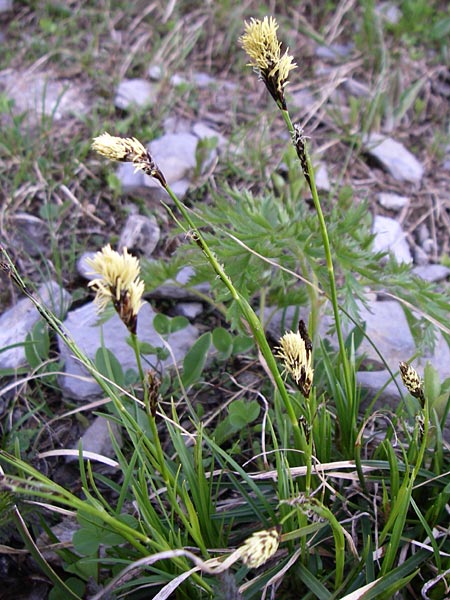
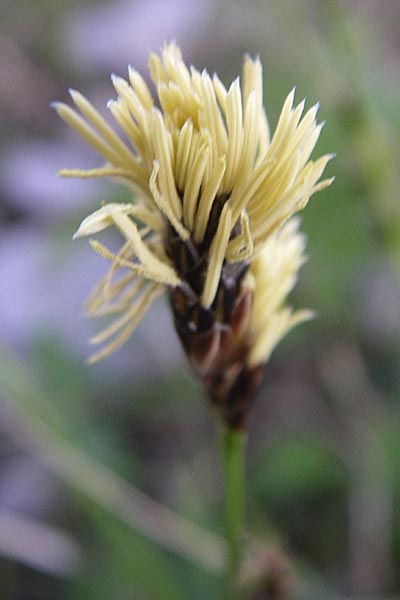
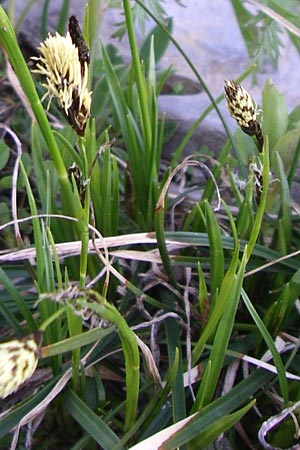
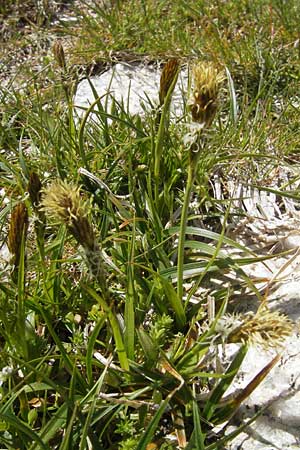
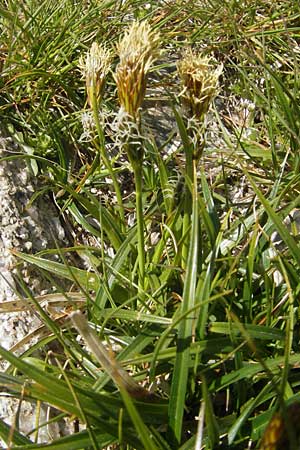
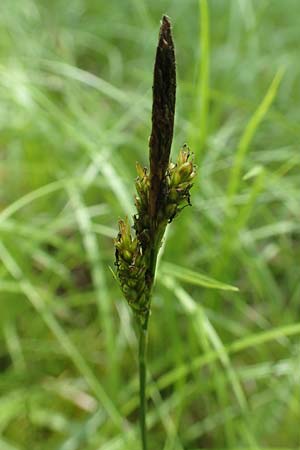
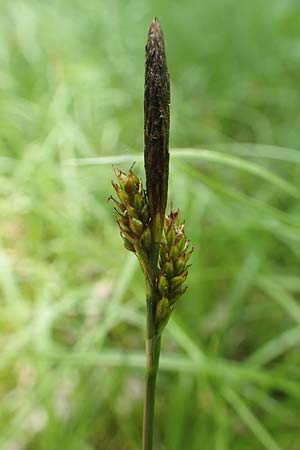
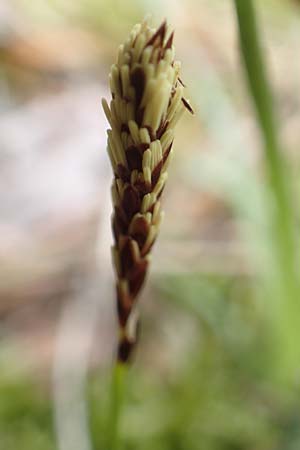
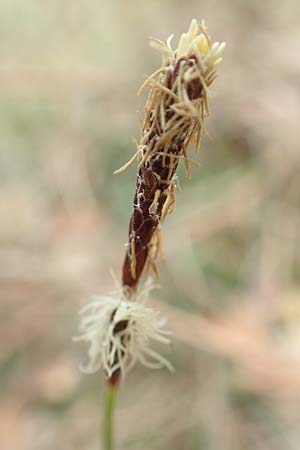
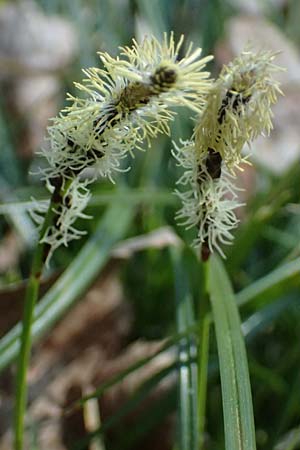
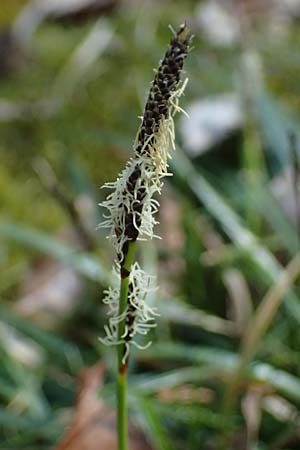
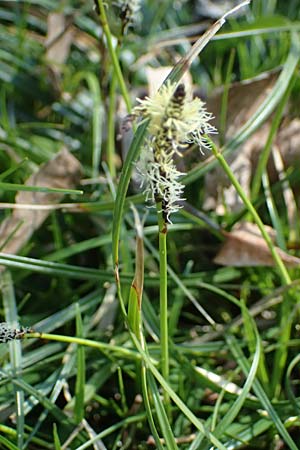
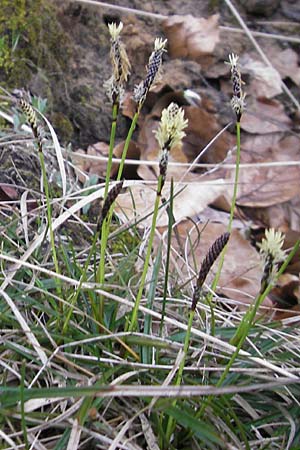
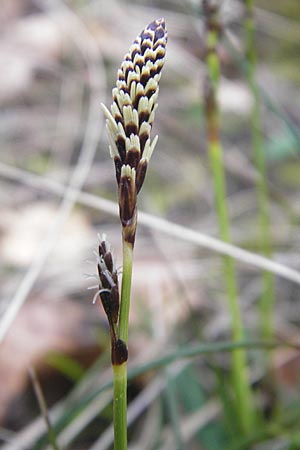
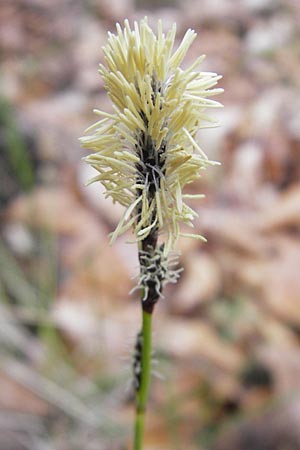
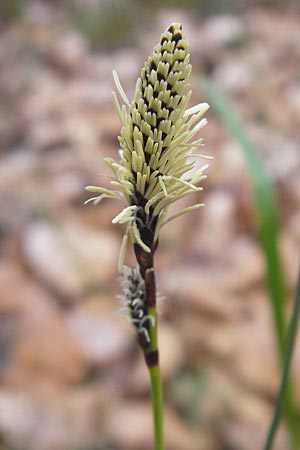
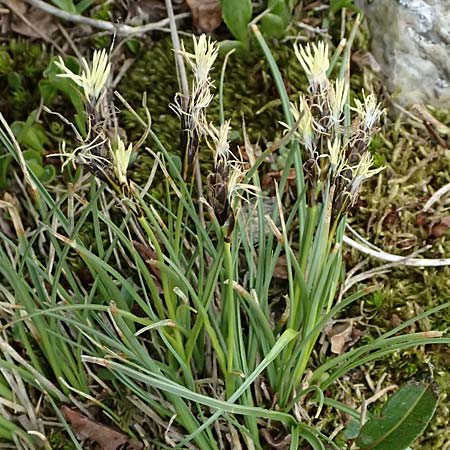
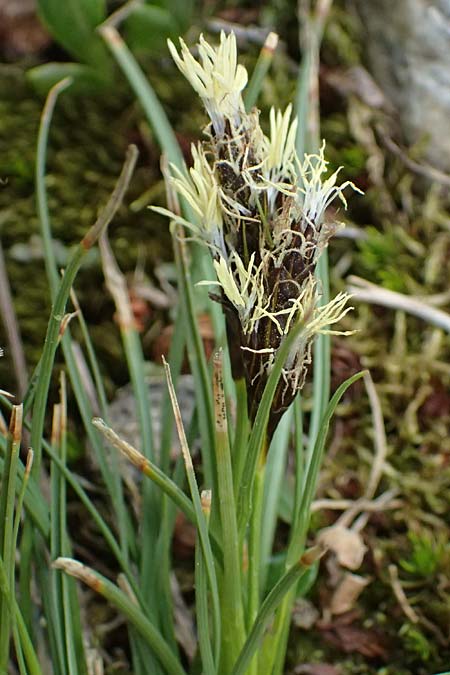
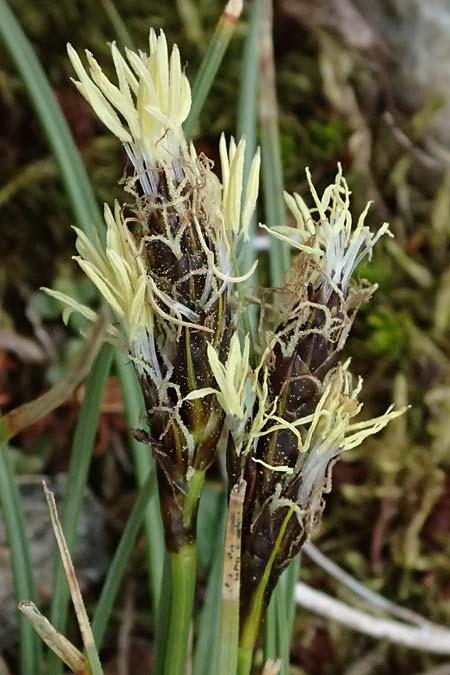
| Carex ericetorum POLLICH |
| Fam.: Cyperaceae \ Sauergräser / Sedge Fam.
|
| Gattung / Genus: Carex L. |
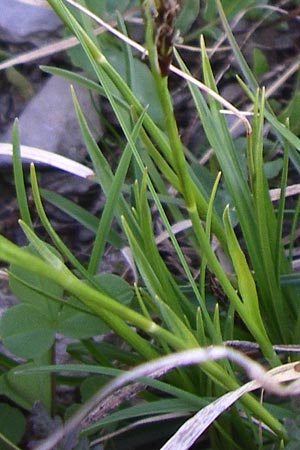
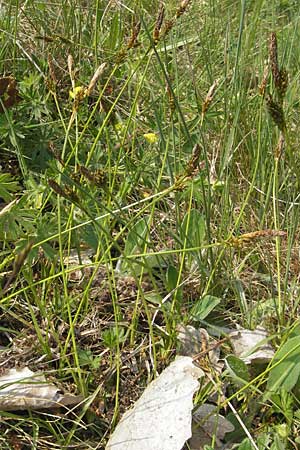
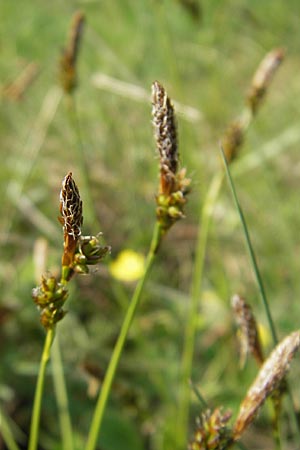
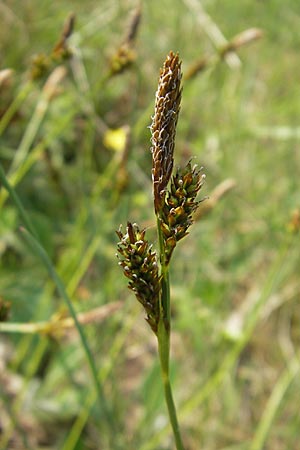
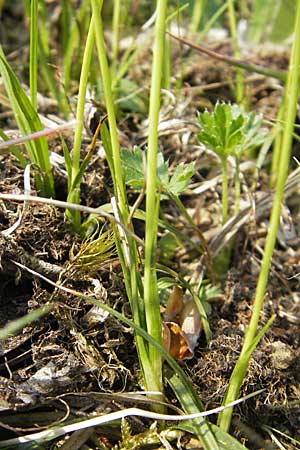
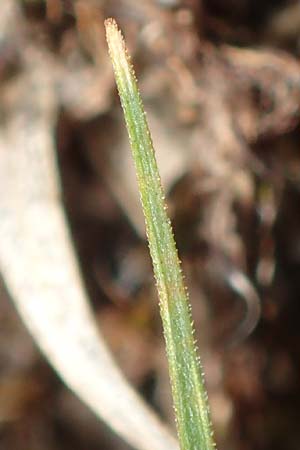
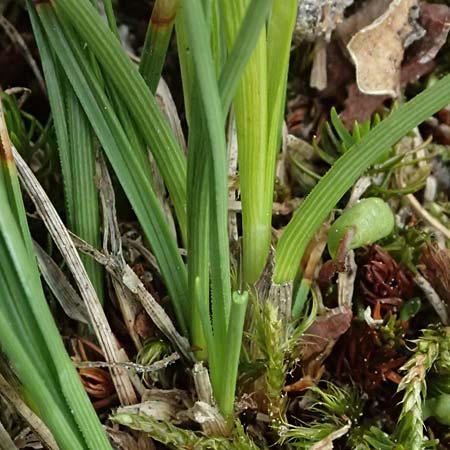
Carex ericetorum und Carex caryophyllea sehen sehr ähnlich aus, aber es gibt ein eindeutiges vegetatives Merkmal zur Unterscheidung: Bei Carex ericetorum läuft die Rinne in der Mitte der Blätter bis zur Blattspitze, während sie bei Carex caryophyllea bereits etwa einen Zentimeter unterhalb der Spitze endet. Carex ericetorum and Carex caryophyllea are looking very similar but there is a unique vegetative attribute to distinguish between both: In Carex ericetorum the groove in the middle of the leaves ends at the tip of the leaves, while in Carex caryophyllea it ends already about a centimeter below the tip. |
| Autoren / Authors: | |||
| Johann Adam Pollich (1741 - 1780), Botaniker aus der Pfalz (Deutschland) / botanist from Palatinate (Germany) | |||
| Carl von Linné (Linnaeus, 1707 - 1777), schwedischer Naturforscher, der das binäre Benennungs-System für Pflanzen + Tiere einführte / Swedish naturalist who introduced the binary naming system for plants + animals | |||
| Etymologie / Etymology: | |||
| Carex: | carere = fehlen (Samen fehlen an den oberen männlichen Ähren vieler Arten) / carere = missing (seeds are missing at the upper male spike of many species) | ||
| ericetorum: | Heide / heather | ||
| caryophyllea: | nelkenartig / carnation-like | ||
 | ||
|
 | ||
|
 | ||
|
 | ||
|
 | ||
|
 | ||
|
 | ||
|
 | ||
|
 | ||
|
 | ||
|
 | ||
|
 | ||
|
 | ||
|
 | ||
|
 | ||
|
 | ||
|
 | ||
|
 | ||
|
 | ||
|
 | ||
|
 | ||
|
 | ||
|
 | ||
|
 | ||
|
 | ||
|
 | ||
|
 | ||
|
 | ||
|